
Gizlilik nedeniyle isim paylaşılmamaktadır
City Parking Management System
An end-to-end smart parking management platform offering real-time occupancy tracking, tariff management, and mobile payment integration.
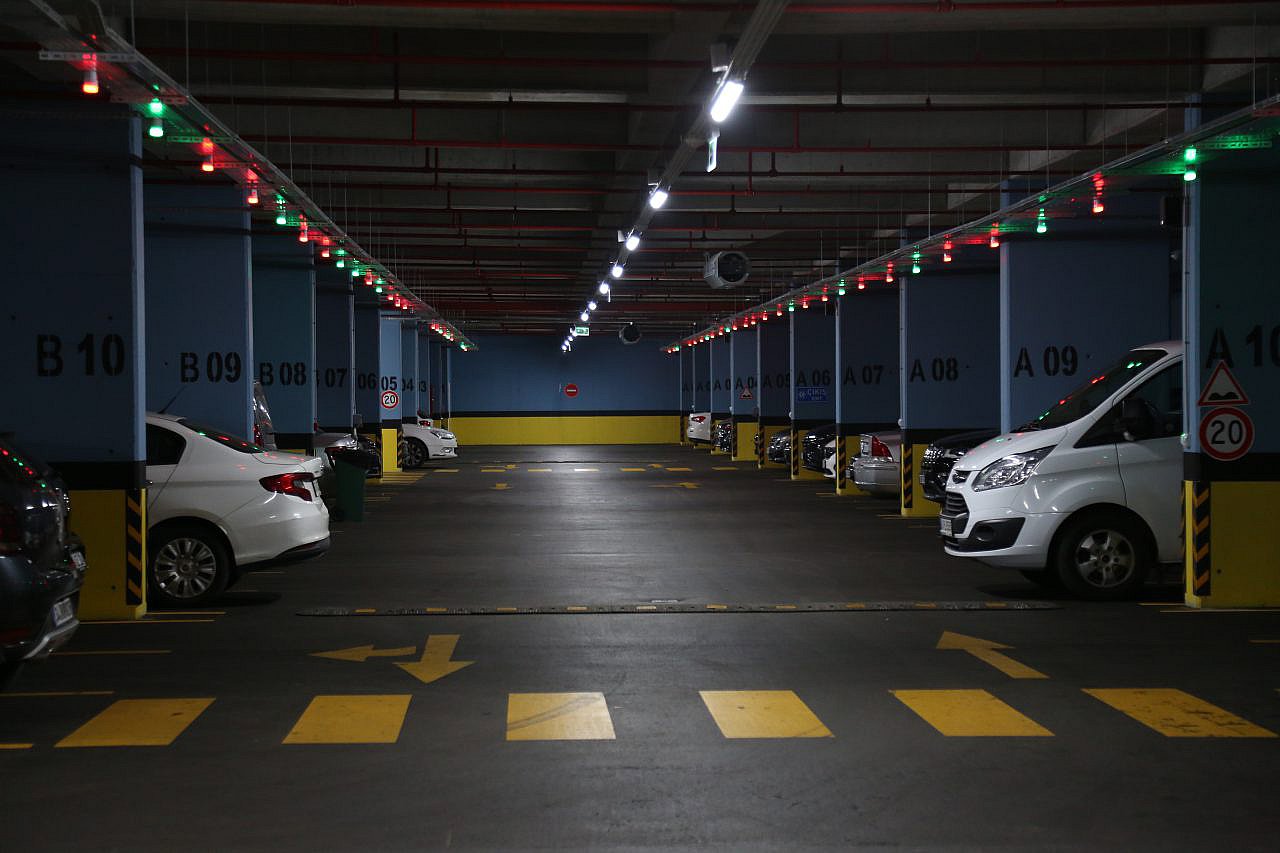
Developed to digitize city-wide parking operations for a metropolitan municipality, the City Parking Management System brings together the needs of both citizens and municipal teams on a single platform. The system tracks the real-time occupancy status of on-street and covered parking lots, manages a tariff engine that varies by vehicle type and zone, and communicates with physical infrastructure through barrier and sensor integrations. Citizens can find the nearest available parking spot via the mobile app, start and end parking sessions, and make secure payments, while on the municipal side, the management panel provides real-time visibility into occupancy, revenue, and usage statistics across all parking lots. The system also facilitates enforcement processes with license plate recognition, violation detection, and reporting modules. Thanks to its scalable architecture, the platform continues to grow without performance loss as the number of parking lots in the city increases.
Problem
The municipality was tracking the occupancy status and revenue flow of parking lots across the city using manual methods; this made it difficult for citizens to find available parking and prevented enforcement teams from detecting violations in a timely manner. Managing tariffs separately across different zones increased operational complexity, while cash-based payment processes led to revenue loss and transparency issues.
Solution
Thanks to the developed system, the occupancy status of all parking lots became visible in real time; citizens could instantly find available spots and make digital payments through the mobile app. With the regional tariff engine, different pricing rules for different parking lots could be managed from a single center. License plate recognition and automatic violation detection accelerated enforcement processes, and the shift from cash to digital payments significantly increased revenue transparency.
%40 azalma
Boş yer bulma süresi
%85
Nakitsiz ödeme oranı
%60 artış
Denetim ihlali tespit hızı